

Bring a Rookie: How to Mentor an Adult Into Hunting
Practical tips on getting friends and family afield
By Chad Carman
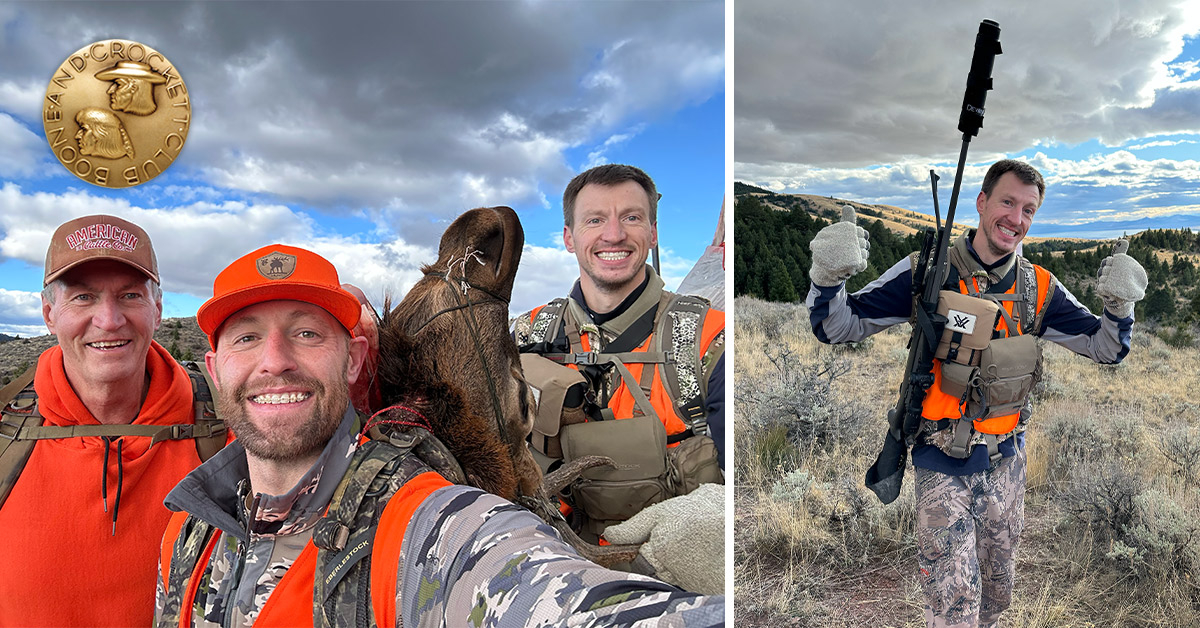
We spend a lot of energy getting kids into hunting, and we should. But what about the grown adult who never had the chance to go as a kid or maybe they’ve been out of the game for a while? Maybe you have a coworker who keeps asking about the elk photos on your phone, a friend who wants to know where their food comes from but has no idea where to start. They're ready. They just need someone to take them. Here's how I did it with my brother-in-law who hadn’t been hunting in over 20 years.
Ask what they want out of it. Don't assume they want what you want. Ask. Maybe they just want a hard hike with great views and have zero interest in carrying a rifle their first time out, and that's a perfectly good trip. Maybe they've got their heart set on a specific animal, and you can set honest expectations about what that tag really takes and how long it might be before it comes together. The fastest way to lose a rookie is to hand them your version of hunting instead of building theirs.
Start at the table. Before you ever talk gear, feed them. Share some jerky at work or have them over for venison burgers, and tell the story behind the meat. Maybe invite them over this fall to see how you process everything if you do it yourself. Nothing dismantles the “hunting is just killing” idea faster than a good meal and care for your quarry, and it plants the most honest reason to start.
Sell the experience, not the gear. Keep pitching the parts of the hunt that match what they told you they wanted–the sunrises and country you'd never otherwise see, the quiet, the meat, the payoff of doing something hard. Skip the cartridge deep-dives unless they find that part fascinating. My brother-in-law happened to love this part. The journey is the point, not the trophy. Every person’s journey is different.
When they decide they want to hunt, start at the range, not the field. Only once they've told you they’re ready to carry a rifle do you move to gear, and then your job is to take the pressure off. Loan them a rifle, hand them your binoculars, and spend a low-key afternoon at the range where the only goal is comfort and safety. If they’ve never done it, get them signed up for hunter education so they walk in with the requisite basics of knowledge. And don’t wait until the week before the opener to hit the range!
Build the first hunt around them, not you. This is the whole game. Listen, then adapt so they actually enjoy it. If they want a comfortable hunt close to the truck, give them that. If they want the big backcountry hike more than a full freezer, give them that and don't sweat the tag. Set honest expectations for whatever they picked, because most days you don't fill one anyway, and a great day afield rarely depends on it. Meet their expectations, not yours.

Close the loop, field to plate. If they do connect, don't let it end at the shot and do everything for them. Walk them through field dressing and help them break the animal down. Maybe offer to cook that first meal together. When a new hunter tastes something they took from the field to table, the light comes on, and it stays on. For me, that’s one of the most gratifying parts.
Don't be a one-and-done mentor. Most first-timers who quit do it because nobody invited them back. Text them before the next season. Introduce them to your circle of buddies. A rookie with a community becomes a hunter. A hunter breeds more hunters. A rookie left alone becomes a story about the one time they went.
You don't need to turn your rookie into a diehard overnight. You just need to open the door, hold it long enough for them to walk through, and be there on the other side. Bring them.