

Michigan State University
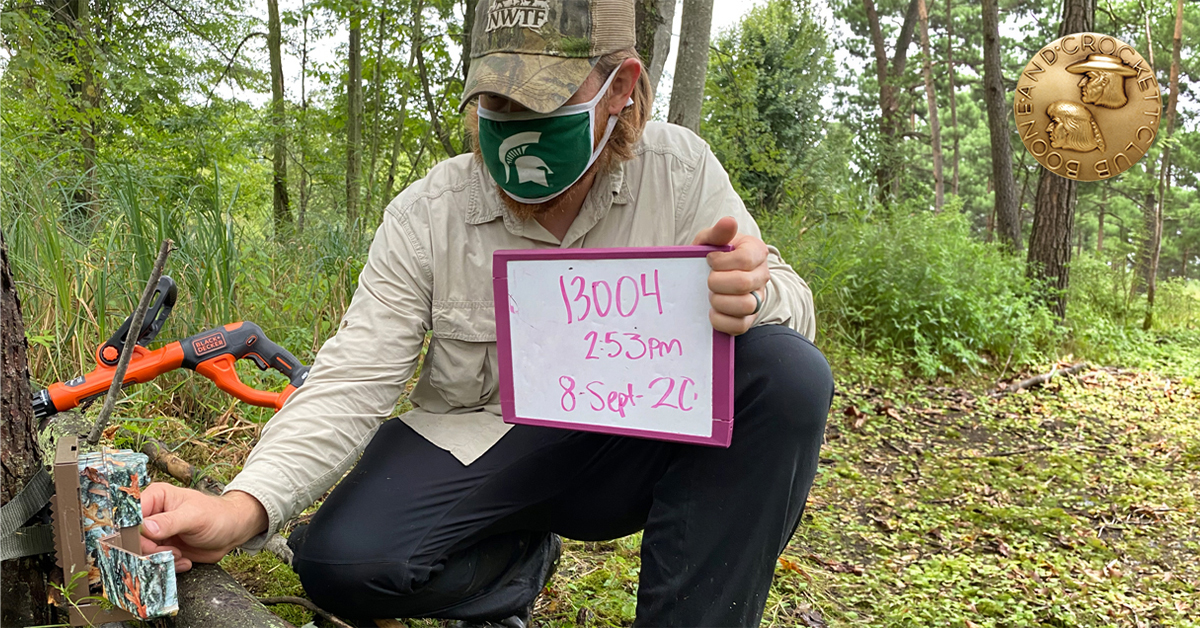
Field Technician Steven Gurney placing a trail camera as part of a study looking at impacts of harvest regulations on deer population characteristics in areas where CWD has been detected. Forging the next generation of fisheries and wildlife leaders from the hardwood forests to the Great Lakes.
The nation's premier land-grant university unites world-class research and agency partnerships to lead the future of fisheries and wildlife across the diverse landscapes of the Midwest and beyond. The Department of Fisheries and Wildlife at MSU includes 57 faculty members, more than 230 undergraduate students, and 70 graduate students.
Program Focus Areas
Deeply rooted in the diverse ecosystems of the Upper Midwest—from the Great Lakes to expansive hardwood and mixed forests—Michigan State University hosts one of the nation's preeminent Fisheries and Wildlife programs. Our curriculum bridges the gap between scientific rigor and real-world application, with a focus on the critical intersection of ecology, resource management, and conservation policy. Graduate students engage in research with government wildlife agencies, non-government conservation organizations, and private businesses worldwide. There is a strong emphasis on collaboration with the Michigan Department of Natural Resources, the Great Lakes Fishery Commission, and the U.S. Geological Survey.
Program Leadership
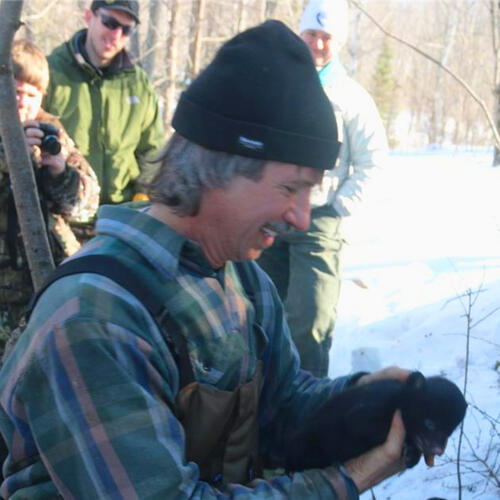
Dr. Jerry Belant
Boone and Crockett Chair of Wildlife Conservation
Jerry Belant's leadership engagement as Boone and Crockett Chair includes roles as Vice President (Americas) for the International Association for Bear Research and Management, Expert Member of the International Council for Game and Wildlife Management's Applied Science Division, Contributing Member of the Association of Fish and Wildlife Agencies, and Member of the IUCN Species Survival Commission's Bear and Small Carnivore Specialist Groups.
Jerry earned his B.S. and M.S. from the University of Wisconsin–Stevens Point and his Ph.D. from the University of Alaska Fairbanks. He also serves as Director of the Wild Foods Institute at Michigan State University, where he works at the intersection of sustainable conservation, food security, and livelihoods to improve policy and governance. His research focuses on large-carnivore and ungulate ecology, harvest management, human-wildlife conflict mitigation, and the sustainable use of wildlife. He previously served as the inaugural Camp Fire Professor of Wildlife Conservation and Director of the program at the SUNY College of Environmental Science and Forestry.
Currently, he is an Editorial Board Member for the journal BioScience and an Associate Editor for the journal Frontiers in Ecology and the Environment.
Focus Areas
Mammalian ecology and conservation, sustainable use of wildlife, human-wildlife interactions, international conservation, translational ecology
Learn more about Michigan State University
Current Fellow Spotlight
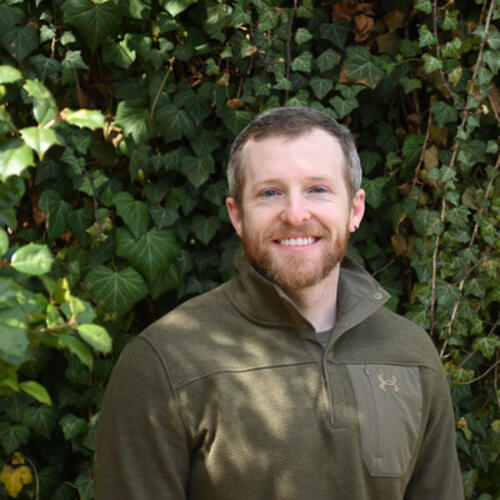
Matt Nelson
Project: Gray wolf abundance in Michigan's Upper Peninsula, and the effect of wolves on deer usage of deer wintering complexes
Building on a background in diverse field projects and a Master's degree focused on black bear population modeling. Pursuing a Ph.D., Nelson's current research evaluates the efficacy of remote cameras for estimating wolf abundance and explores how winter severity influences white-tailed deer habitat use across Michigan's Upper Peninsula.
"Upon completion of my PhD, I hope to work as a USGS Cooperative Research Unit biologist and further the management tools used to monitor wildlife populations across North America."
Former Fellow Highlights
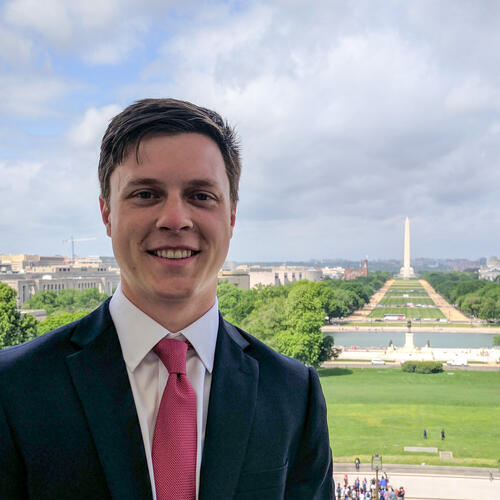
Joseph (Joe) Goergen, MS 2024
Currently Director of Conservation Strategies at Conservation Force, Washington, D.C.
"I am proud to be an alum of the prestigious B&C Fellowship Program. Thanks to Dr. Jerry Belant and B&C for their support, my academic time at Michigan State University helped advance my career as a conservation leader that applies science to wildlife management and international policy challenges."
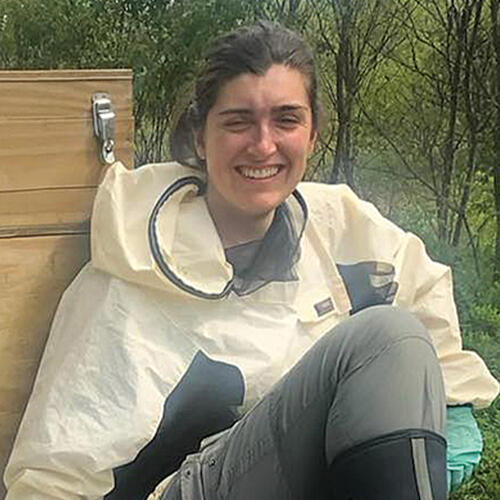
Alejandra (Ale) Hiers, PhD 2026
Chu Cho Environmental, Prince George, British Columbia
Pulled Quote
Degrees Supported
Undergraduate, Master's, Ph.D., Postdoc.
Contact
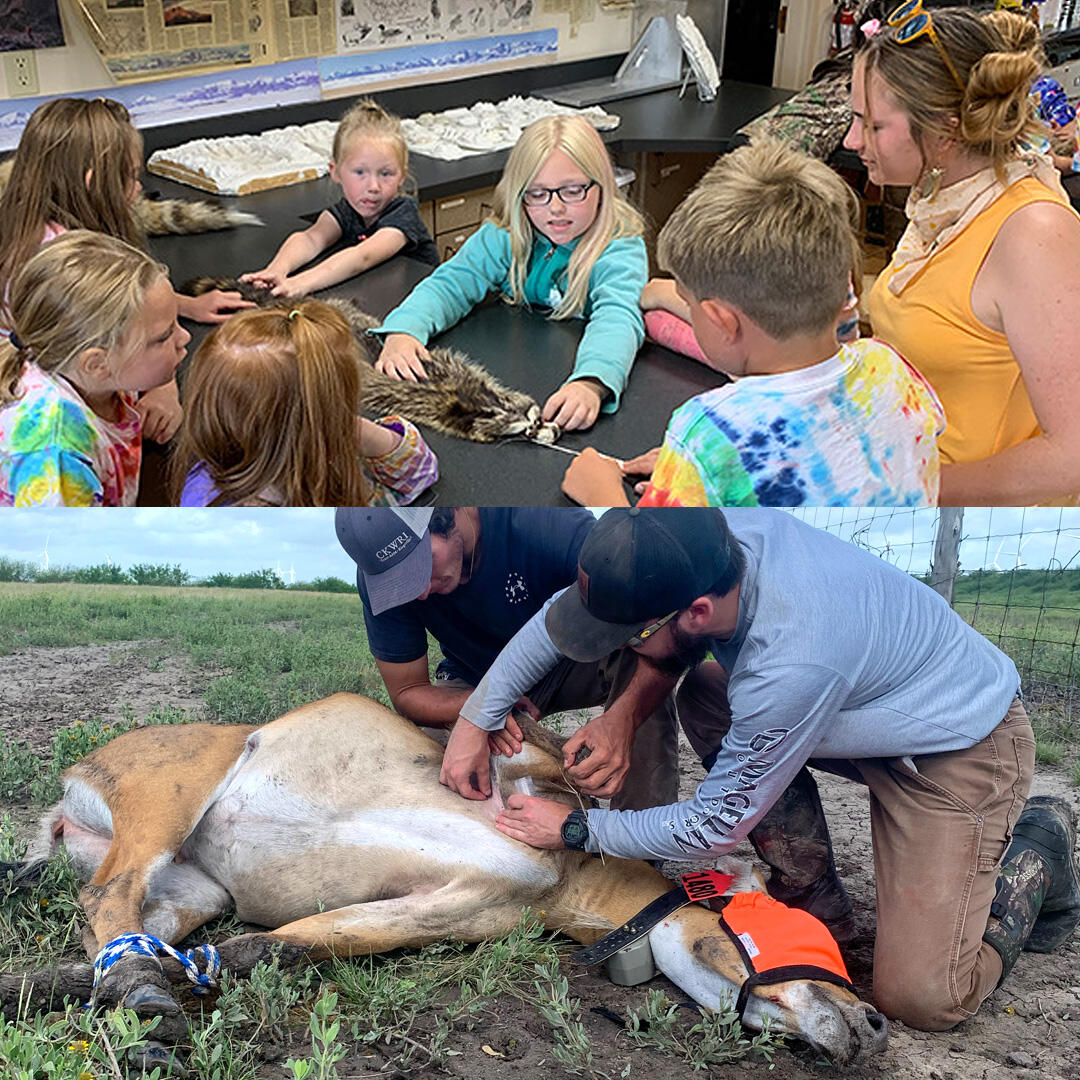
Want to see how the Club is shaping the next generation of conservation leaders? The Boone and Crockett Club is building the pipeline of scientists, policymakers, and communicators who will carry conservation into the next century. Your donation will also support youth and digital outreach that connects new audiences to hunting and the natural world. Donate today to invest directly in the people and programs preparing tomorrow's conservation leaders.